Piercings
Piercings Done With Licensed Technique and Care
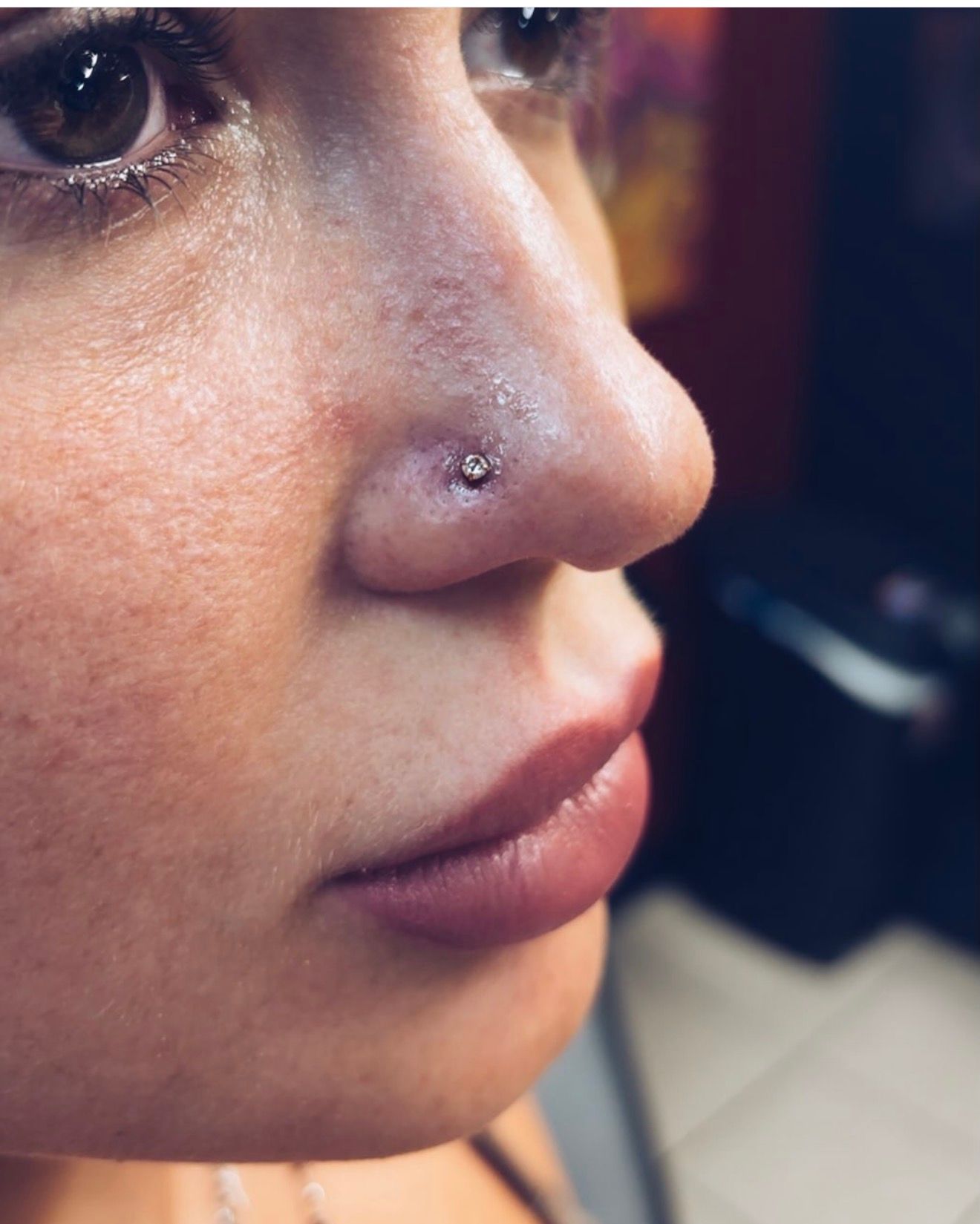
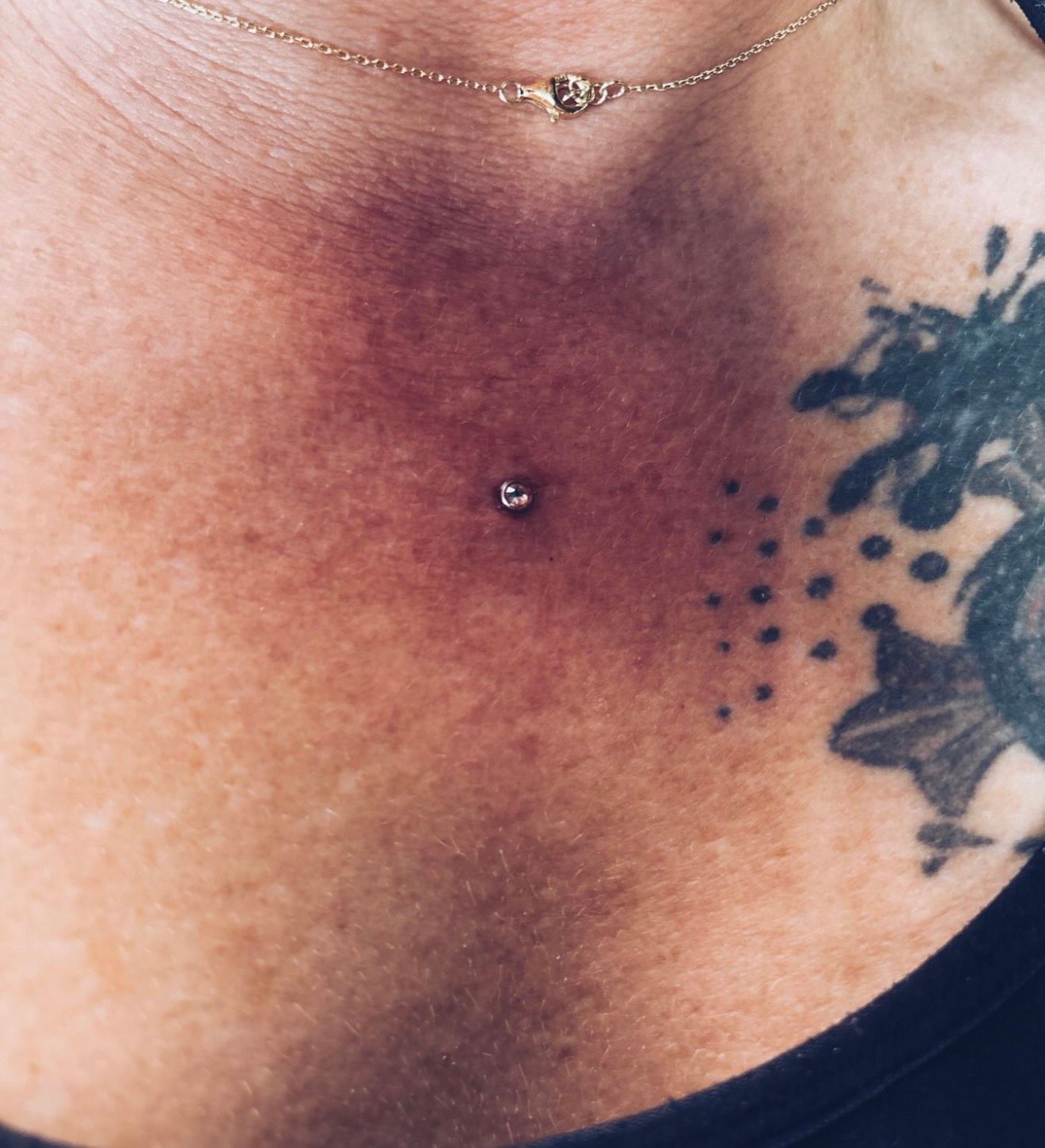
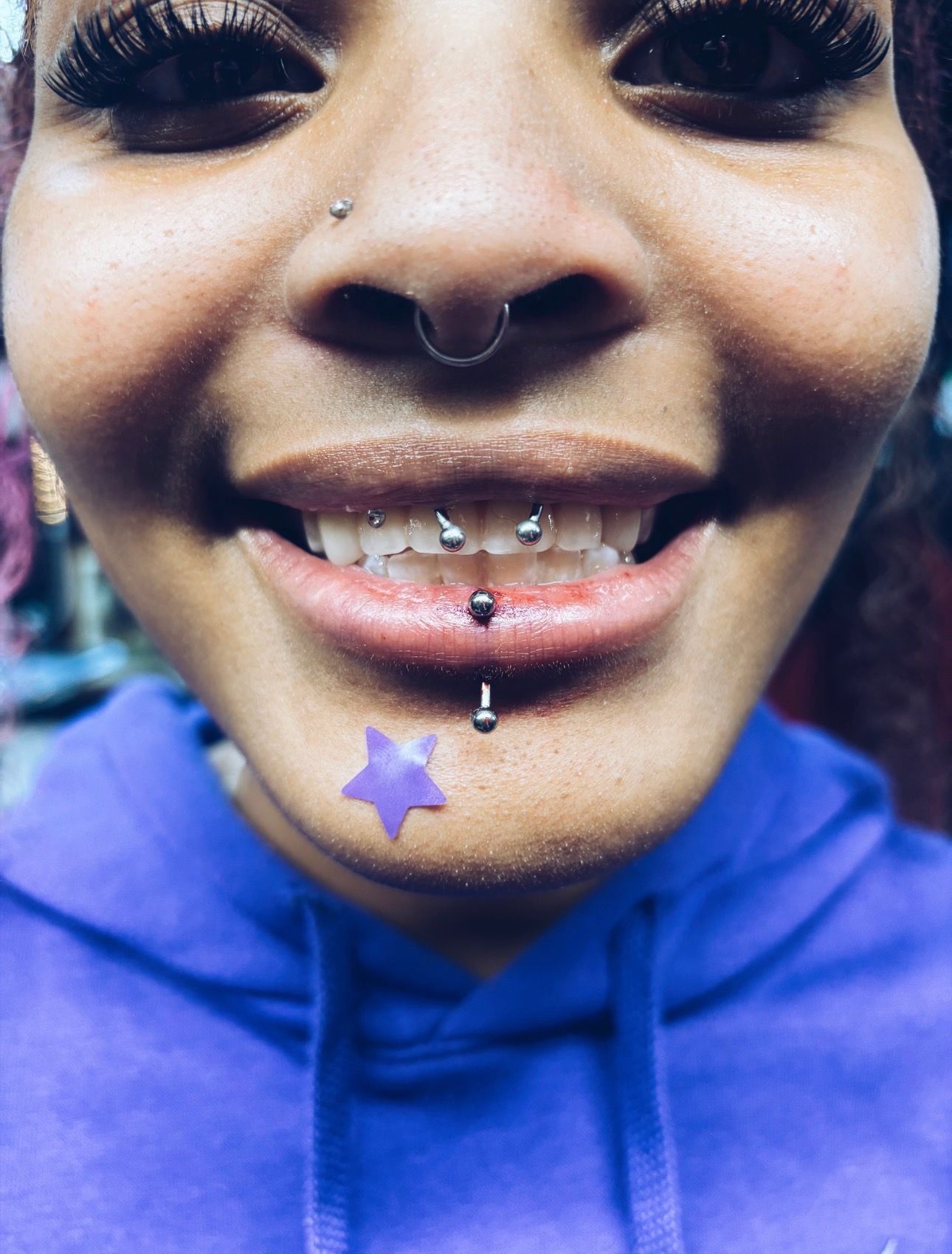
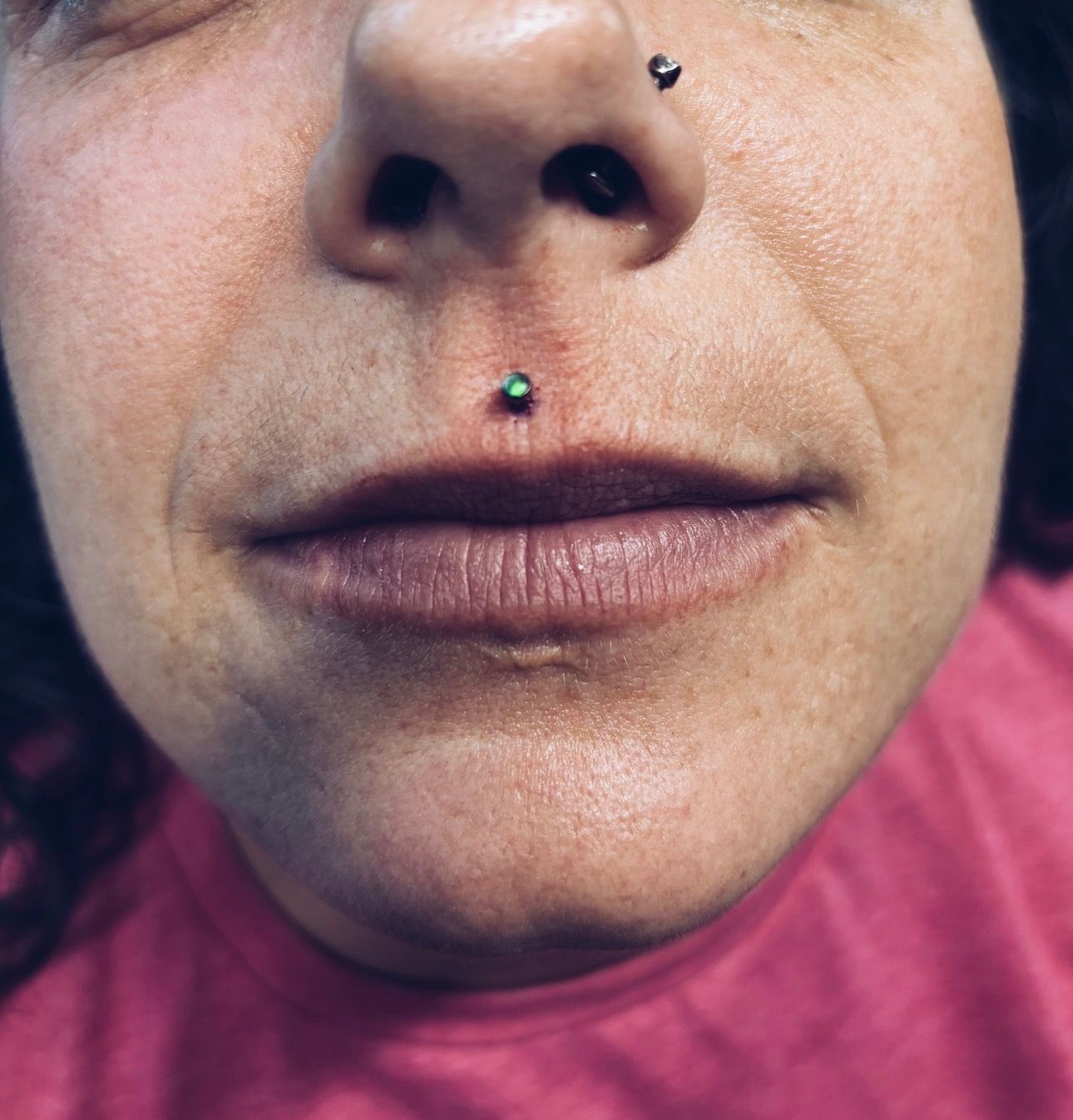
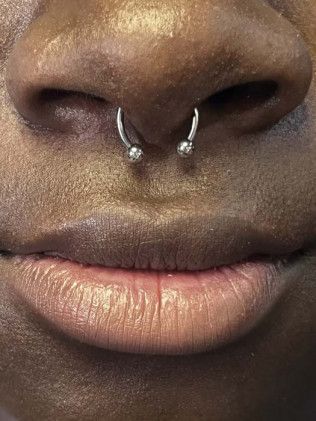
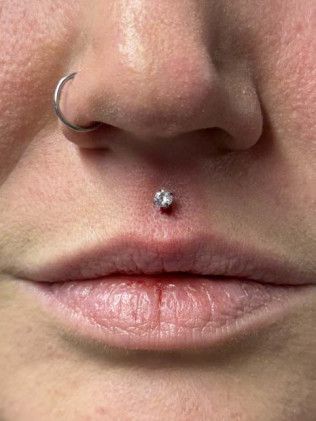
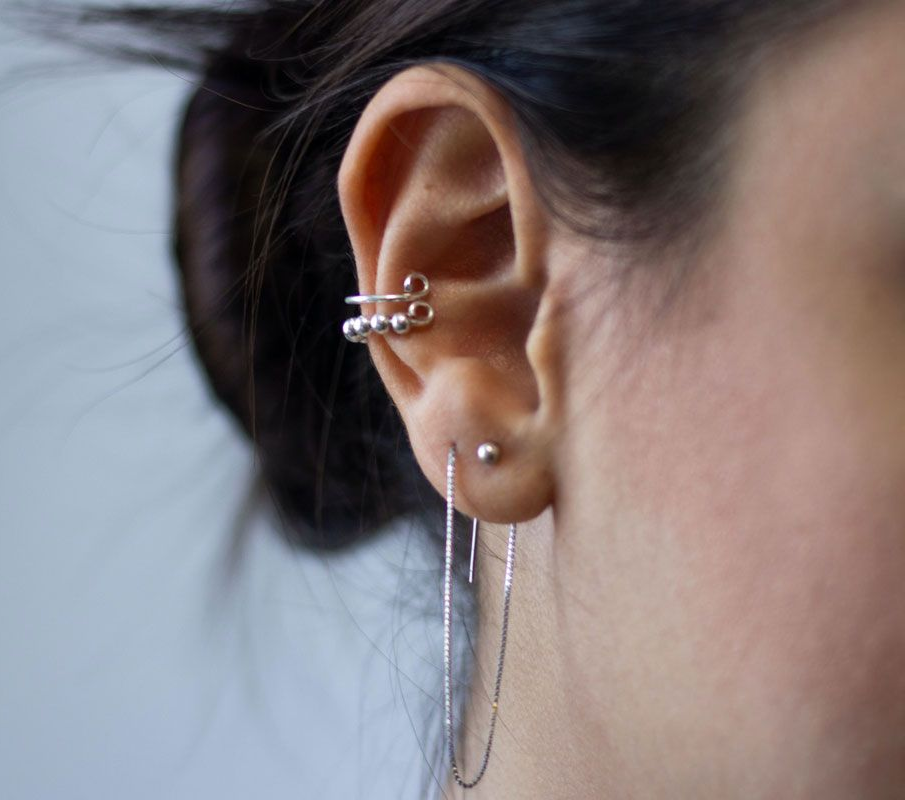
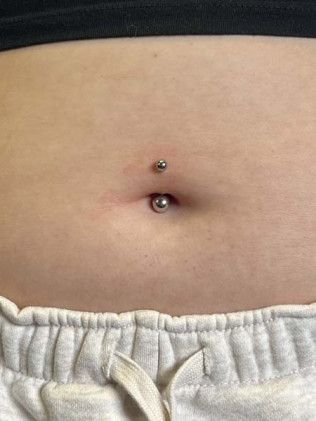
Piercings in Flint for belly, ear, tongue, and nose placement by a licensed piercer
Licensed piercing work separates a clean, properly healed result from one that causes ongoing complications at the site. millennial ink- has a licensed piercer on staff in Flint who handles belly, ear, tongue, and nose piercings—the four placements that cover the widest range of client motivations, from personal expression to cultural tradition to spiritual practice. Walk-ins are accepted throughout the day, with no walk-in appointments taken after 7pm.
Each of these placements carries its own healing timeline and anatomical considerations. Tongue piercings, for example, require precise placement relative to the lingual frenulum to avoid nerve proximity, while belly button piercings vary in viability depending on navel depth and skin fold behavior—a licensed piercer assesses these factors before committing to placement. Nose piercings involve cartilage in some configurations, which heals more slowly than soft tissue and benefits from specific aftercare guidance. The licensing requirement exists precisely because these decisions are clinical, not cosmetic.
Stop in during shop hours to speak with the piercer directly about placement options, or ask about financing if you are planning multiple piercings at once..
What Proper Piercing Technique Requires
A licensed piercer evaluates anatomy before selecting needle gauge and jewelry sizing—these are not one-size decisions. Jewelry that is too short for tissue depth during initial swelling can embed; jewelry that is too long increases the risk of snagging and migration. At millennial ink-, the piercer works through this assessment before the procedure begins, selecting starting jewelry based on the specific placement and your anatomy rather than defaulting to a standard size.
Once the piercing is complete, what you leave with is a properly seated piece of jewelry at the correct depth, with aftercare instructions specific to your placement type. Ear piercings in cartilage versus lobe tissue require different cleaning protocols and different timelines before jewelry changes are safe—clients who follow placement-specific aftercare see far fewer complications than those given generic instructions.
Financing is available at millennial ink-, which makes it easier to plan for multiple placements or to choose higher-quality starting jewelry without making tradeoffs at the point of service. The type of initial jewelry used directly affects healing outcomes, so having the option to invest in the right material from the start has practical consequences beyond aesthetics..
What Clients Usually Ask Before Getting Pierced
These are the questions that come up most often from clients in Flint who are new to piercing or returning after time away from the process.
How does the piercer determine correct jewelry sizing for a new piercing?
Anatomy is assessed at the placement site before any jewelry is selected—tissue depth, swelling allowance, and surface curvature all factor into the decision.
Why does cartilage take longer to heal than a standard lobe piercing?
Cartilage has a lower blood supply than soft tissue, which slows the cellular repair process and makes consistent aftercare more critical over a longer period.
What piercings does the licensed piercer at this location handle?
The piercer covers belly, ear, tongue, and nose piercings for clients in Flint.
When is the cutoff for walk-in piercing appointments?
Walk-ins are welcome during shop hours, but the shop does not accept new walk-in clients after 7pm.
How does financing work for piercings?
Financing options are available through millennial ink-, which you can ask about directly when you visit—this applies to piercing services and can be used to cover jewelry selection as well.
millennial ink- makes it straightforward to plan your piercing in Flint—walk in during shop hours, ask about financing at the counter, and work with a licensed piercer who handles placement decisions based on your specific anatomy rather than a standard template.